OUR APPROACH
The work behind the result.
Construction is a sequence of consequential decisions. Our role is to make those decisions clear, coordinate the people and work around them, and keep the intended outcome in view.
Explore the process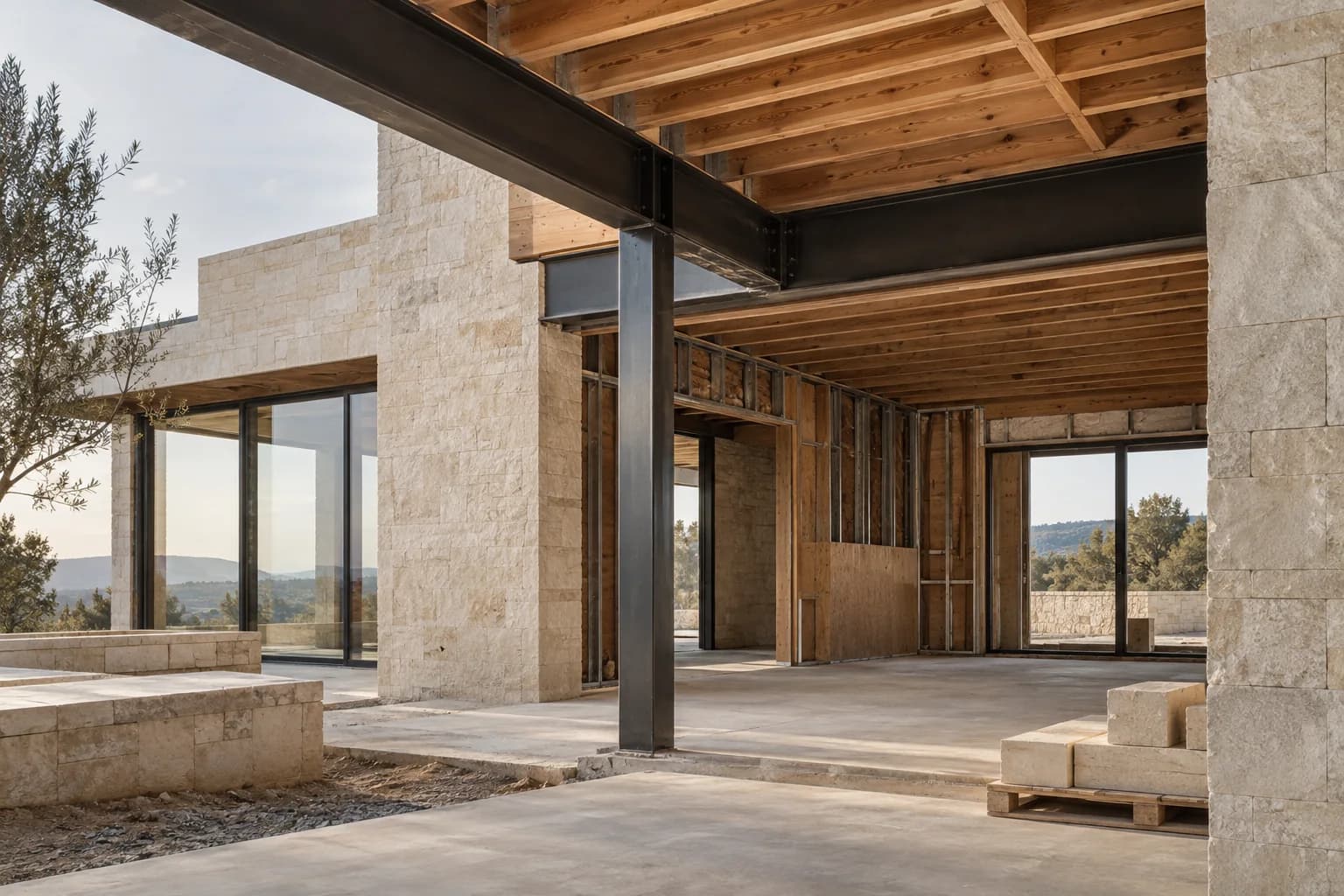
DESIGN & CONSTRUCTION
Working with your design team.
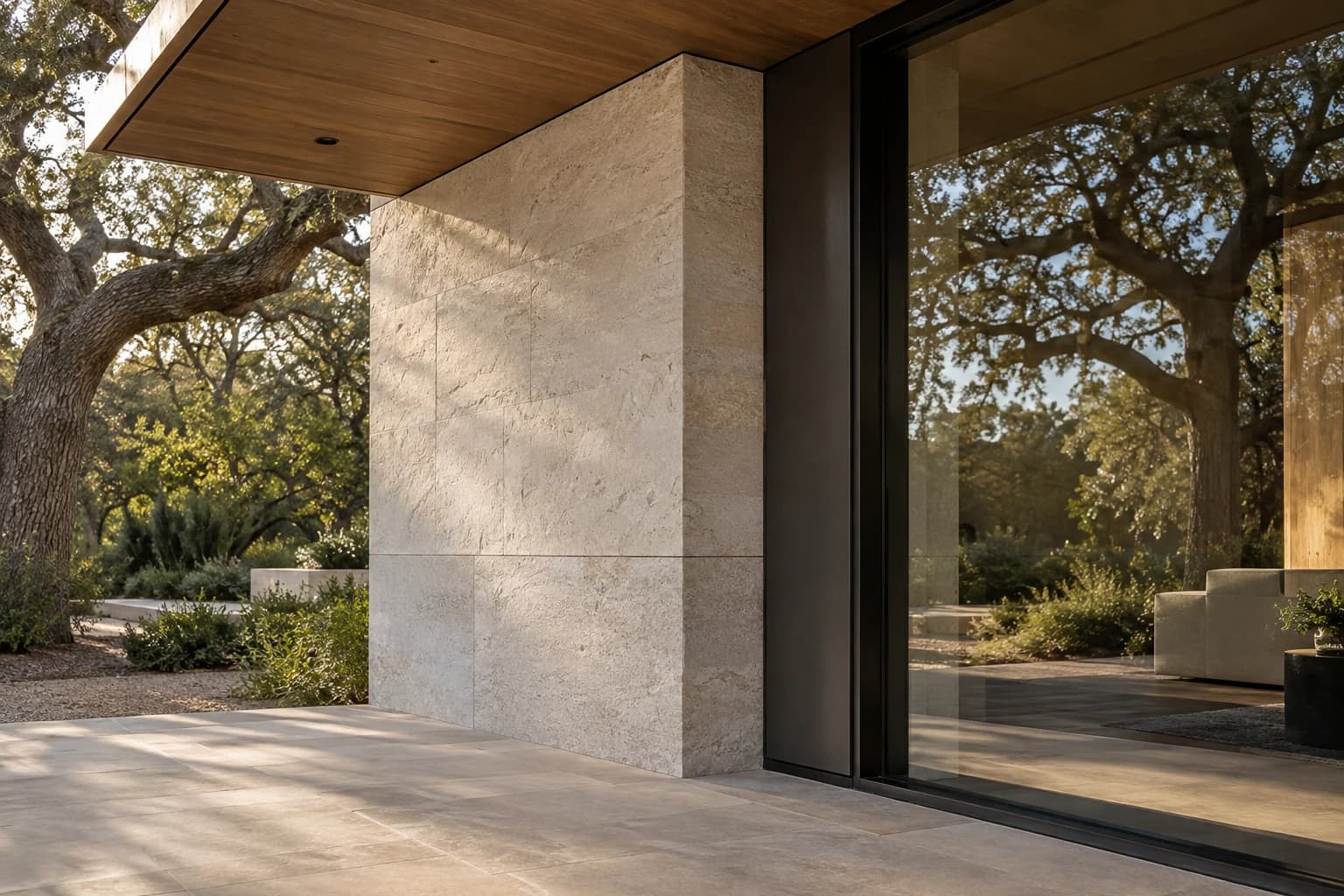
Construction planning connects design intent with the realities of the site, materials, and sequence. If you already have an architect, designer, drawings, or a technical report, that information helps establish the starting point.
Clarify at the outset
- Which drawings, selections, and specialist assessments are available?
- Which design or technical decisions remain open, and who is responsible for resolving them?
- How will those decisions inform the proposed construction scope and sequence?
BEFORE A PROPOSAL
An informed investment.
Discovery and site assessment help define existing conditions, constraints, and questions requiring investigation. The scope of that work belongs in the next-step discussion.
A proposal should make the relationship between scope and investment clear. We identify assumptions, exclusions, and unresolved conditions so you can evaluate the proposed path with context. Where details remain open, an appropriate range reflects that uncertainty.
- Included scope
- The work, boundaries, and selected materials described in the proposal.
- Assumptions & exclusions
- The conditions pricing depends on and work outside the proposed scope.
- Open decisions
- Selections or investigations that may affect scope, sequence, or investment.
START A PROJECT
Let’s define
what comes next.
Tell us what you are considering. We will help define the realities, possibilities, and path forward.
Start a ProjectOr call 800-272-6650